
U.S. Dismantles Global HIV and Malaria Supply Program, Raising Fears of Life-Saving Medicine Gaps
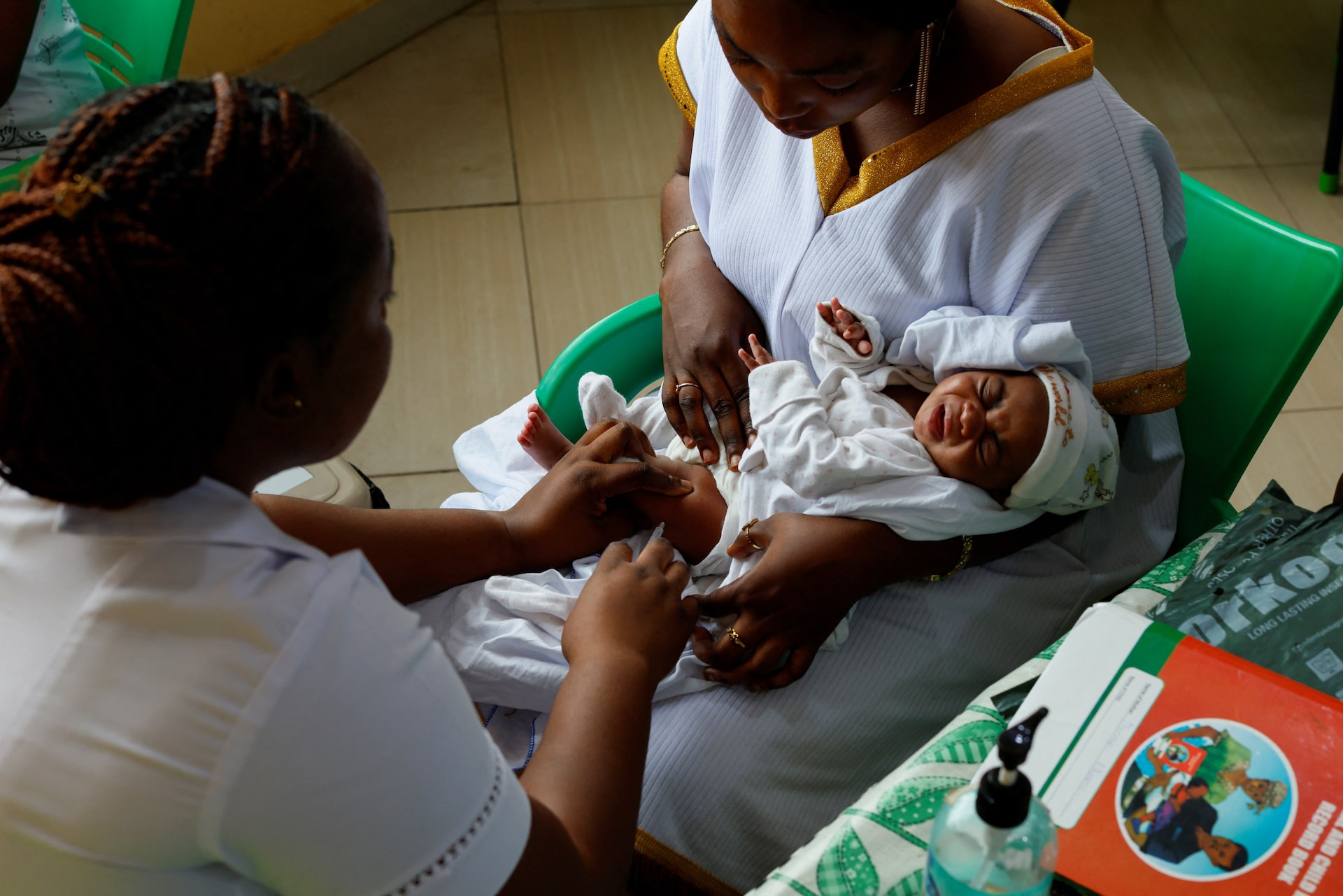
Every year, millions of people in some of the world's poorest countries depend on a steady supply of HIV medications and malaria treatments to stay alive — supplies largely funded and managed by the United States. Now, a sudden shift in how Washington delivers that aid is raising serious concerns about whether those medicines will keep reaching the people who need them.
The U.S. government is moving to shut down the primary system it has used for nearly a decade to get critical medicines and health products to lower-income nations, and experts warn the transition is happening too fast — fast enough that some patients could face dangerous gaps in care.
What Is Being Shut Down — and Why It Matters
Since 2016, the U.S. has delivered more than $5 billion worth of HIV and malaria-related health products to 90 countries — mostly in sub-Saharan Africa and Asia — through a program called the Global Health Supply Chain Program - Procurement and Supply Management. The program was run by a private contractor called Chemonics.
That program was already thrown into chaos when President Trump froze international aid on his first day back in office in January 2025, leaving millions of dollars worth of supplies — including HIV drugs and insecticide-treated bed nets — stranded in ports and warehouses around the world. Many of those shipments eventually resumed after the administration issued a waiver for life-saving products.
Now, according to seven sources and an internal government email reviewed by Reuters, the U.S. is moving to end the Chemonics contract entirely and overhaul how it delivers global health supplies. The State Department instructed U.S. staff in 17 African countries and Haiti to stop implementing the supply program by May 30.
The contract with Chemonics is set to officially end September 30, though its original end date was in November.
A Rush With No Clear Plan
The internal email, verified by two sources, acknowledged that there could be "immediate risks to service continuity if (the) transition is rushed or incomplete." Despite that warning, the email did not lay out a specific transition plan. Instead, it asked each U.S. country office to figure out its own handover strategy and flag any concerns or requests for more time back to Washington.
Five sources told Reuters the pace of the change could lead to shortages or gaps in life-saving products in some countries — with potentially devastating consequences for patients already managing chronic or deadly illnesses.
A State Department spokesperson pushed back on the timeline characterization, saying the agency had "not provided any technical direction to Chemonics to cease operations by May 30 or any other date." Chemonics declined to comment.
What Comes Next — and Why the Timeline Is a Problem
According to six sources, U.S. officials have been in discussions with the Global Fund to Fight AIDS, Tuberculosis and Malaria — a Geneva-based international health organization — about potentially using its procurement and supply platform to handle future U.S. health product donations. The Global Fund already manages roughly $2 billion a year in health product purchases for those three diseases.
But two of those sources said earlier talks had centered on a November 2027 transition date — not the weeks-long window now being considered. They noted that ordering medical products for delivery to hard-to-reach locations can take up to a full year, making a rushed handover especially risky.
The Global Fund declined to comment. The State Department did not respond to specific questions about the Global Fund discussions but said it would use available pooling mechanisms to purchase supplies at the lowest prices from private manufacturers.
The Bigger Shift in U.S. Global Health Policy
The changes are part of a broader restructuring of how the U.S. approaches foreign health aid. The Trump administration has been winding down the U.S. Agency for International Development (USAID), cutting foreign aid budgets, and moving away from working through large contractors toward direct bilateral agreements with individual countries.
The administration's America First Global Health Strategy, published in September, described contractors as part of the "significant inefficiency and waste" in the aid system it was trying to eliminate.
The State Department spokesperson framed the existing program as "a bloated piece of an obsolete development model" that "does not put the American taxpayers first and instead helps to line the pockets of large U.S.-based development firms."
The administration says it has now signed 28 bilateral health agreements directly with recipient governments and plans to use private logistics companies to distribute supplies. Washington has pledged direct funding to the governments of Kenya, Rwanda, Uganda, and others, paired with expectations that those nations increase their own health spending.
However, those new arrangements are still being worked out. The agreement with Kenya is facing a legal challenge from Kenyan activists over data privacy concerns, and negotiations with Zambia have stalled.
The speed of earlier aid disruptions has already had measurable consequences. Reporting has documented shortages of malaria drugs for children and serious gaps in HIV prevention programs across Africa linked to the earlier freeze on aid.